Grand Falls Hut Update
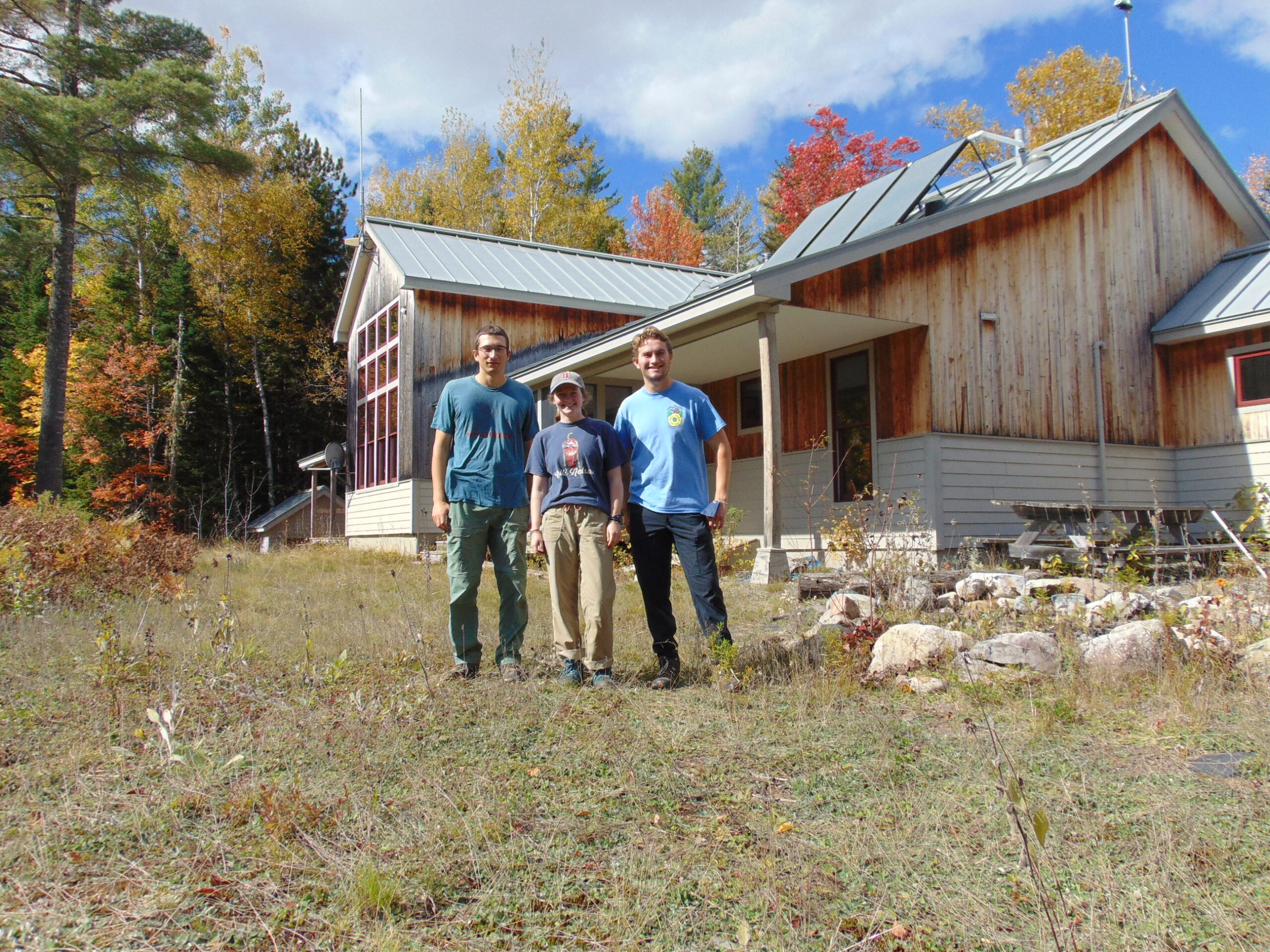
Youth and Community Program Manager Sam, Assistant Operations Eliza and summer caretaker Ben recently trekked out to Grand Falls Hut to check on conditions.
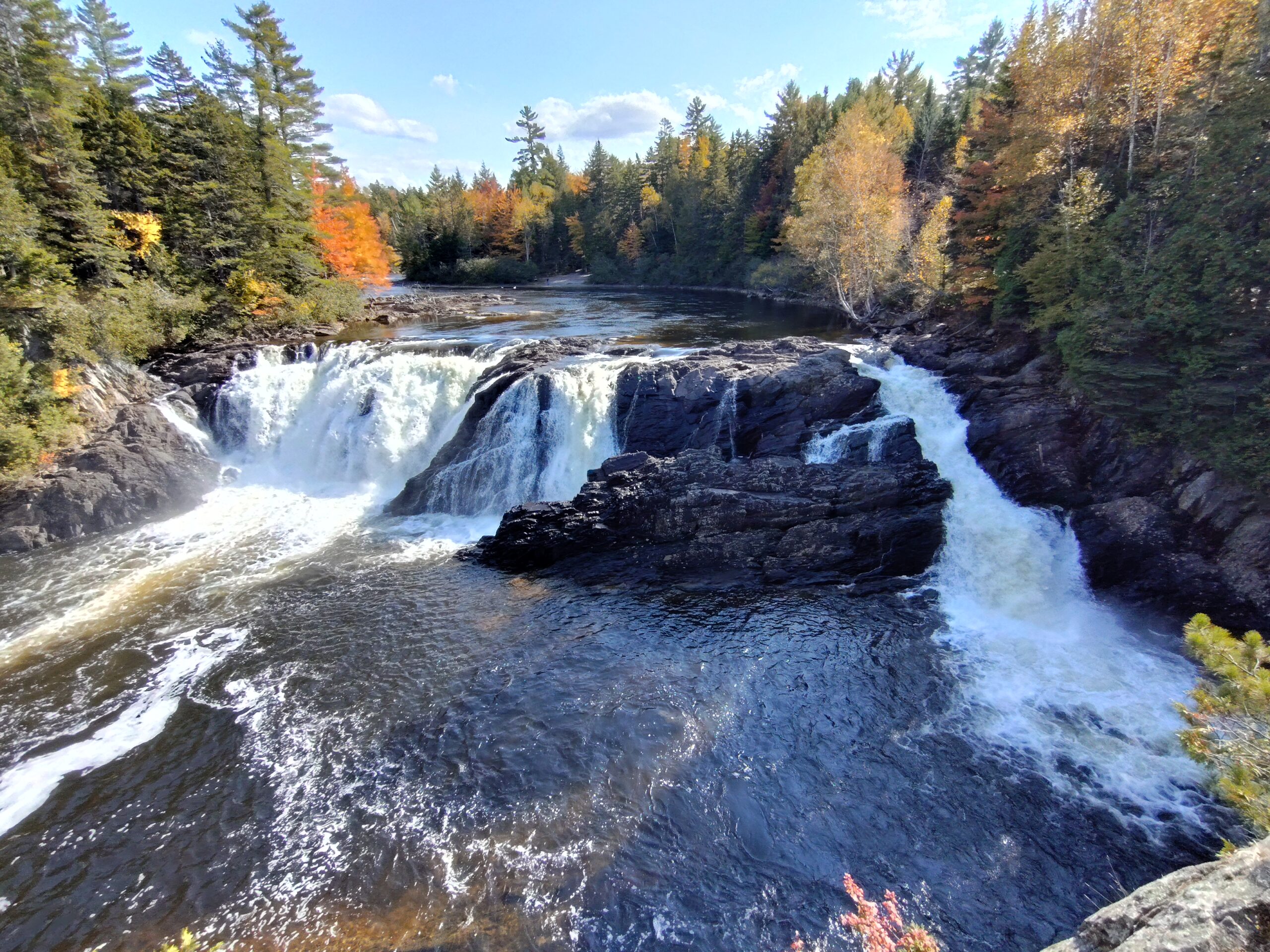
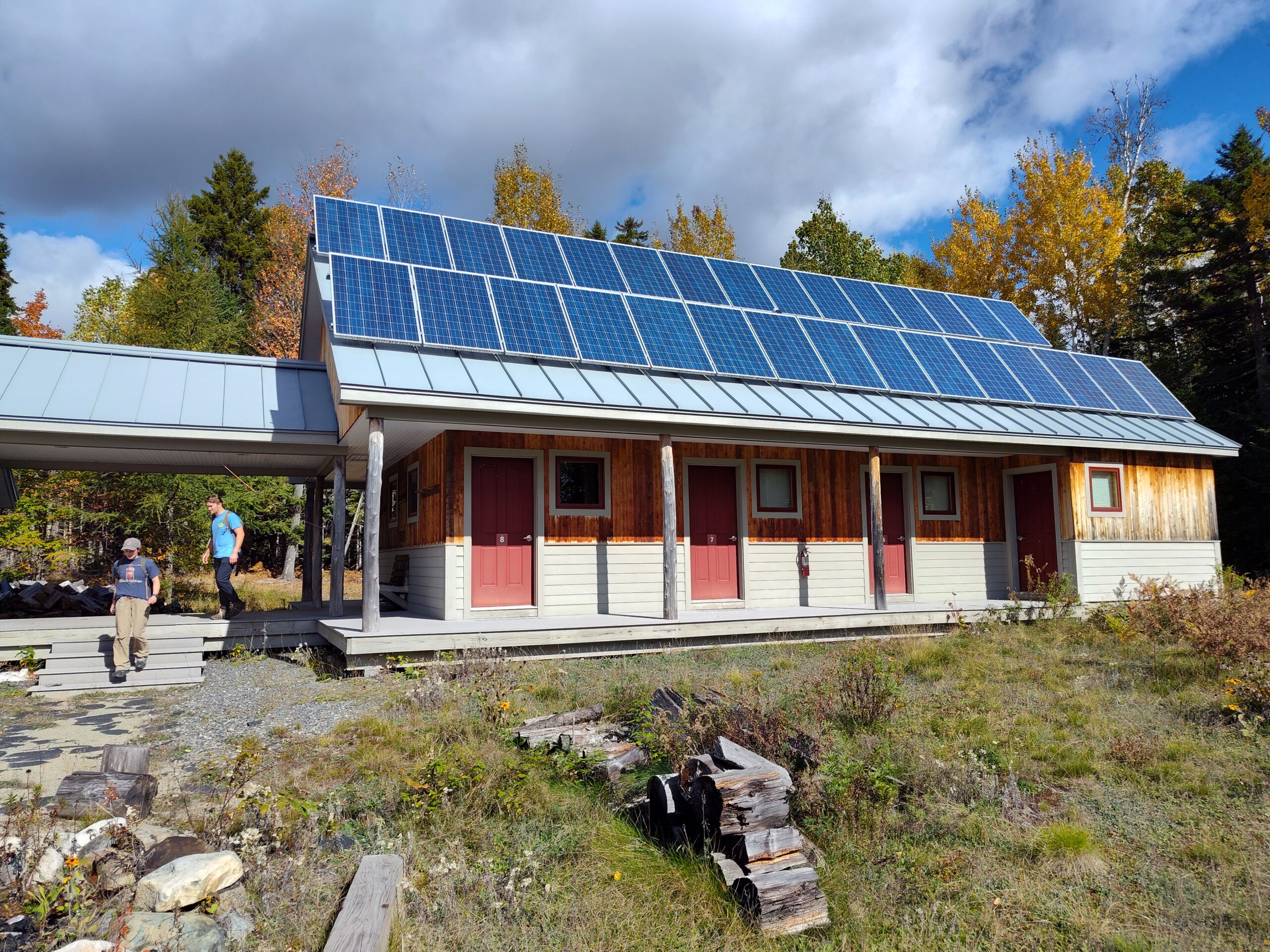
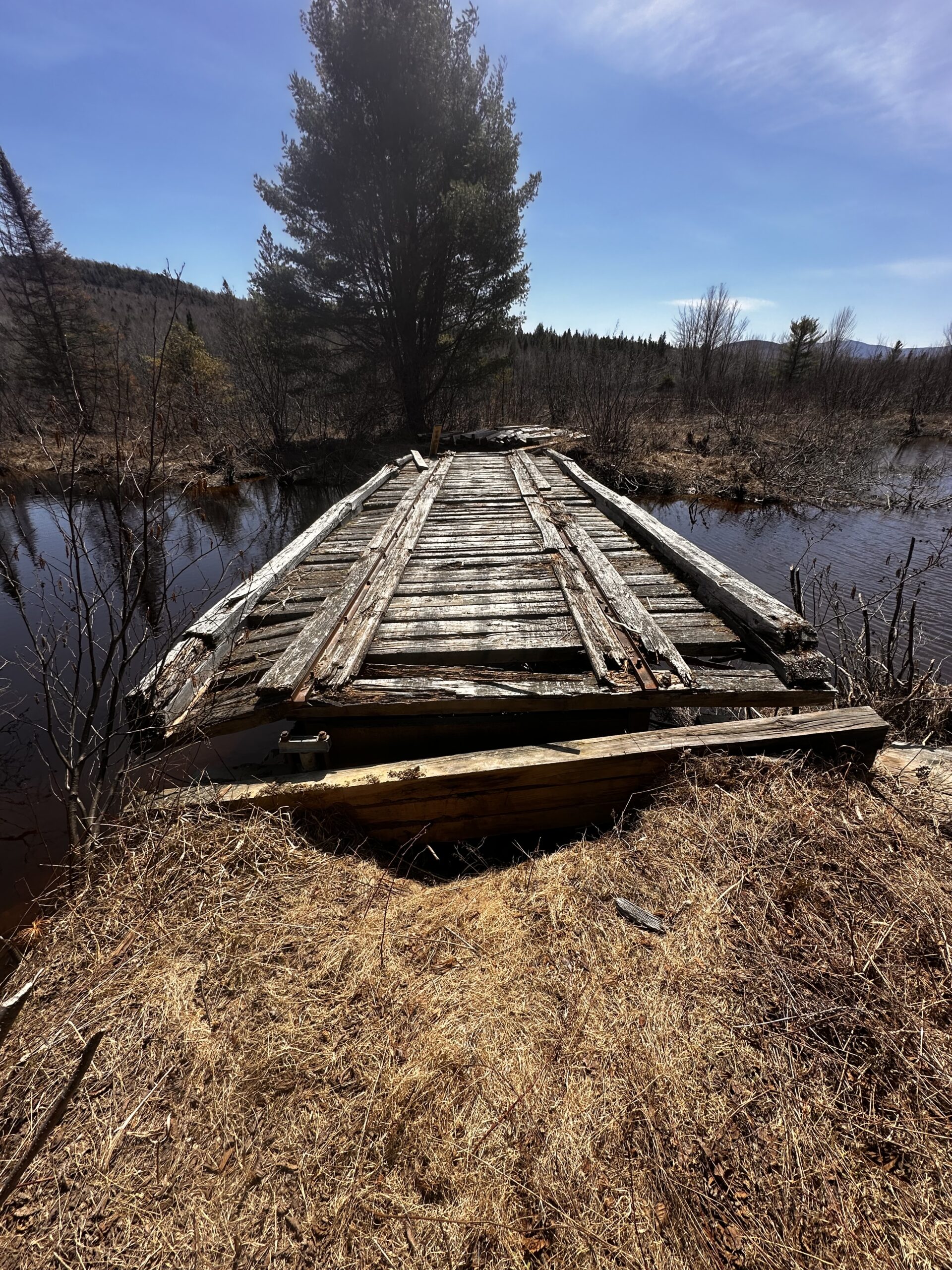
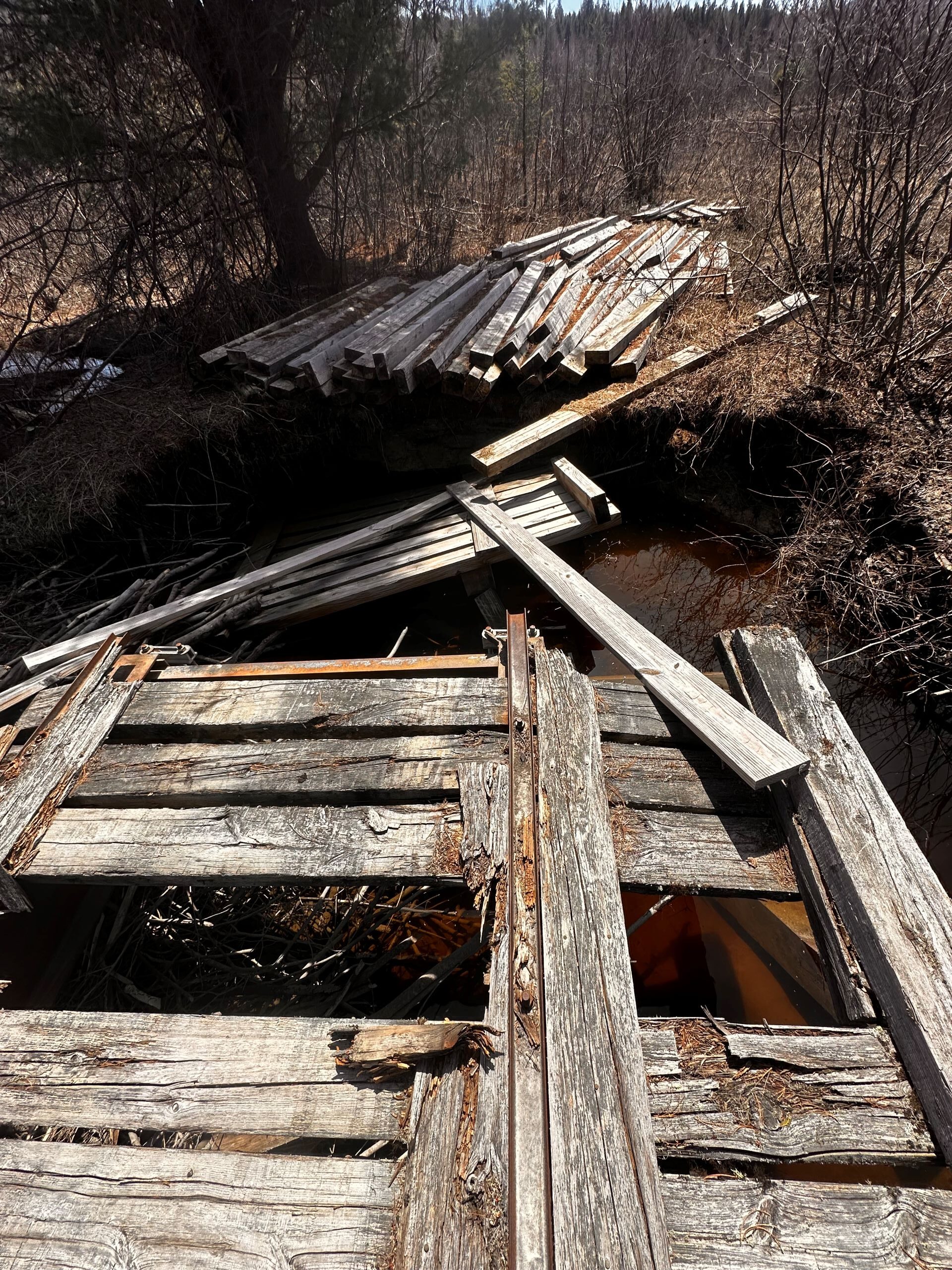
Grand Falls is our most remote hut, located almost 12 miles northeast of Flagstaff Lake. A combination of dead outdated batteries and washed out bridges have kept the Hut closed for the last couple years. Without working batteries, we are unable to run the solar energy system, composting toilet, and water from the well. In addition to the batteries needing replacement, record flooding has not been kind to our 18+ bridges that extend along the Dead River on the way to the Hut.
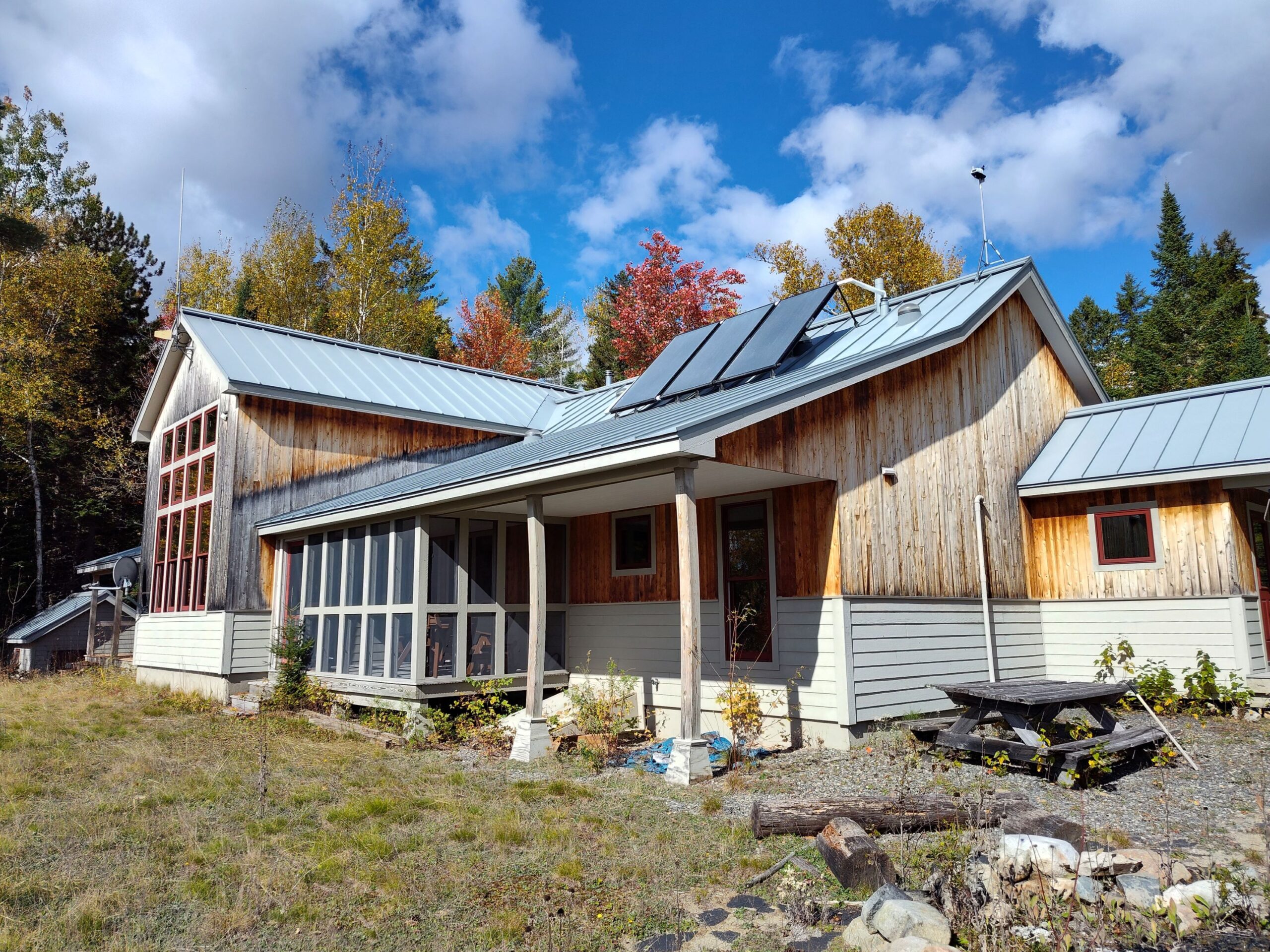
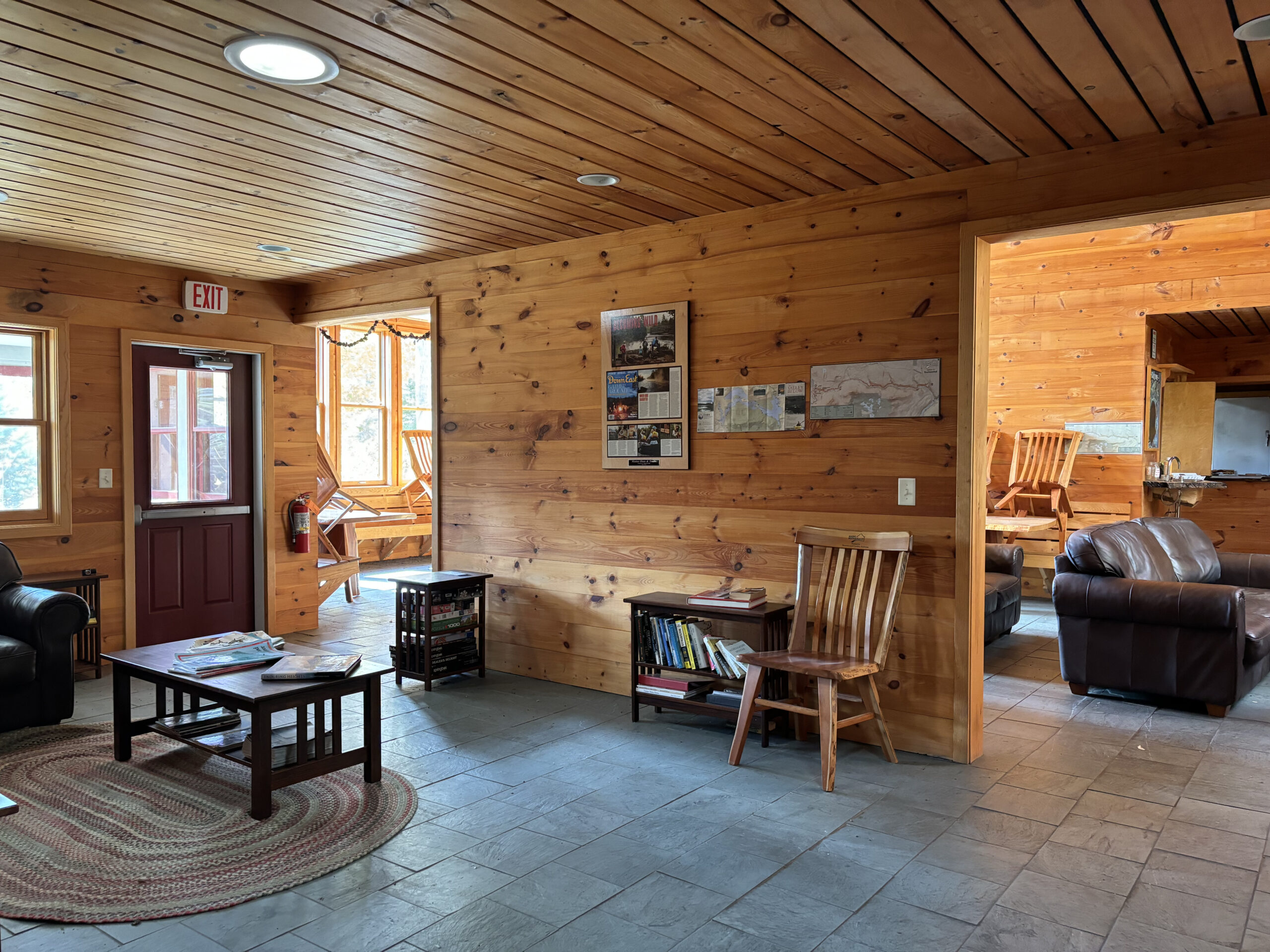
The Hut
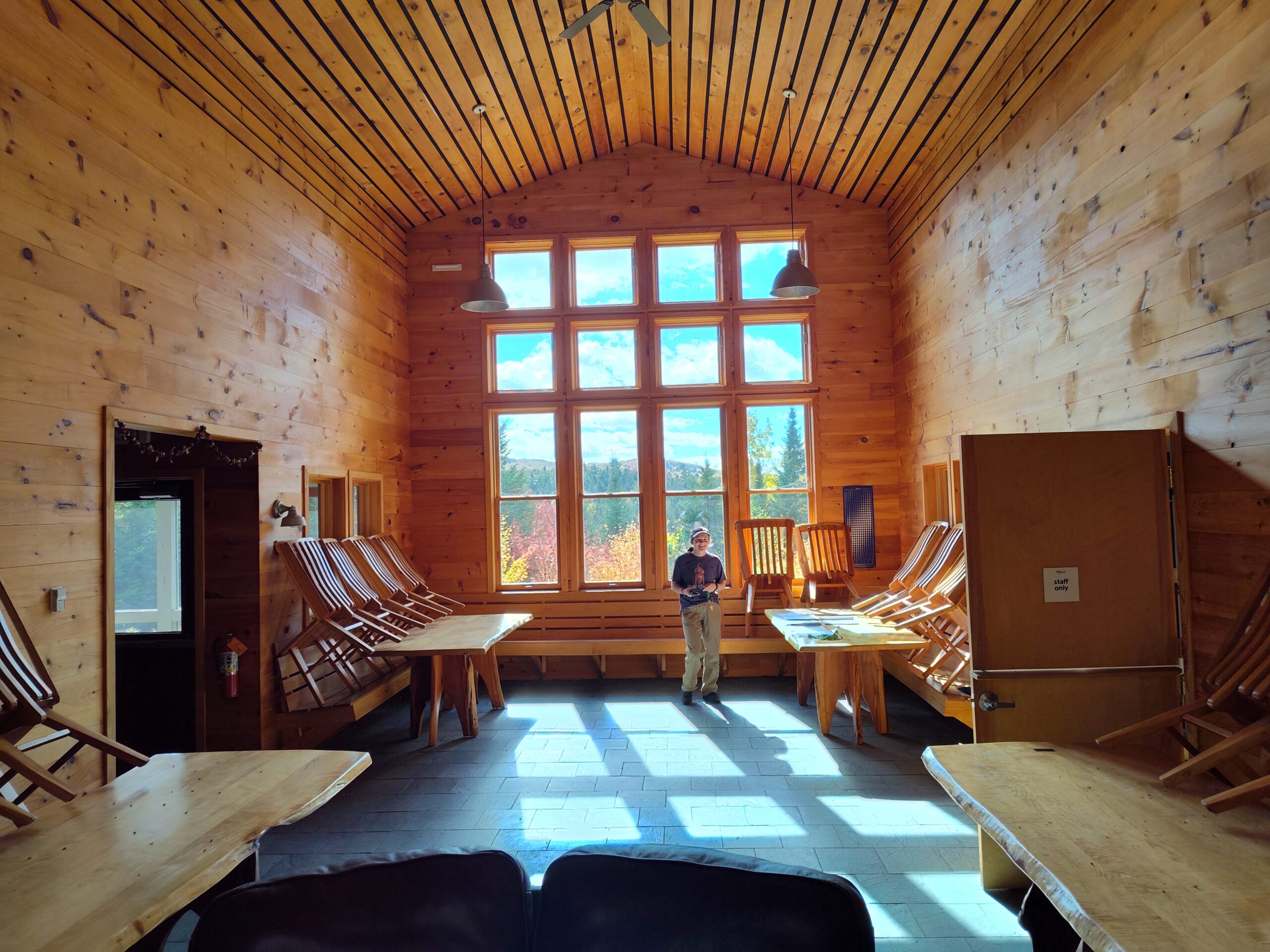
The Hut is in excellent shape, minus a decent collection of dead flies on the floor. We’ve been checking in during both the winter, spring and summer seasons. She is built solid and is holding up great! Visiting the hut has become a rite of passage for our winter and summer hut staff. We are eager to dust off the shelves and open it back up soon!
Bridges and Trails
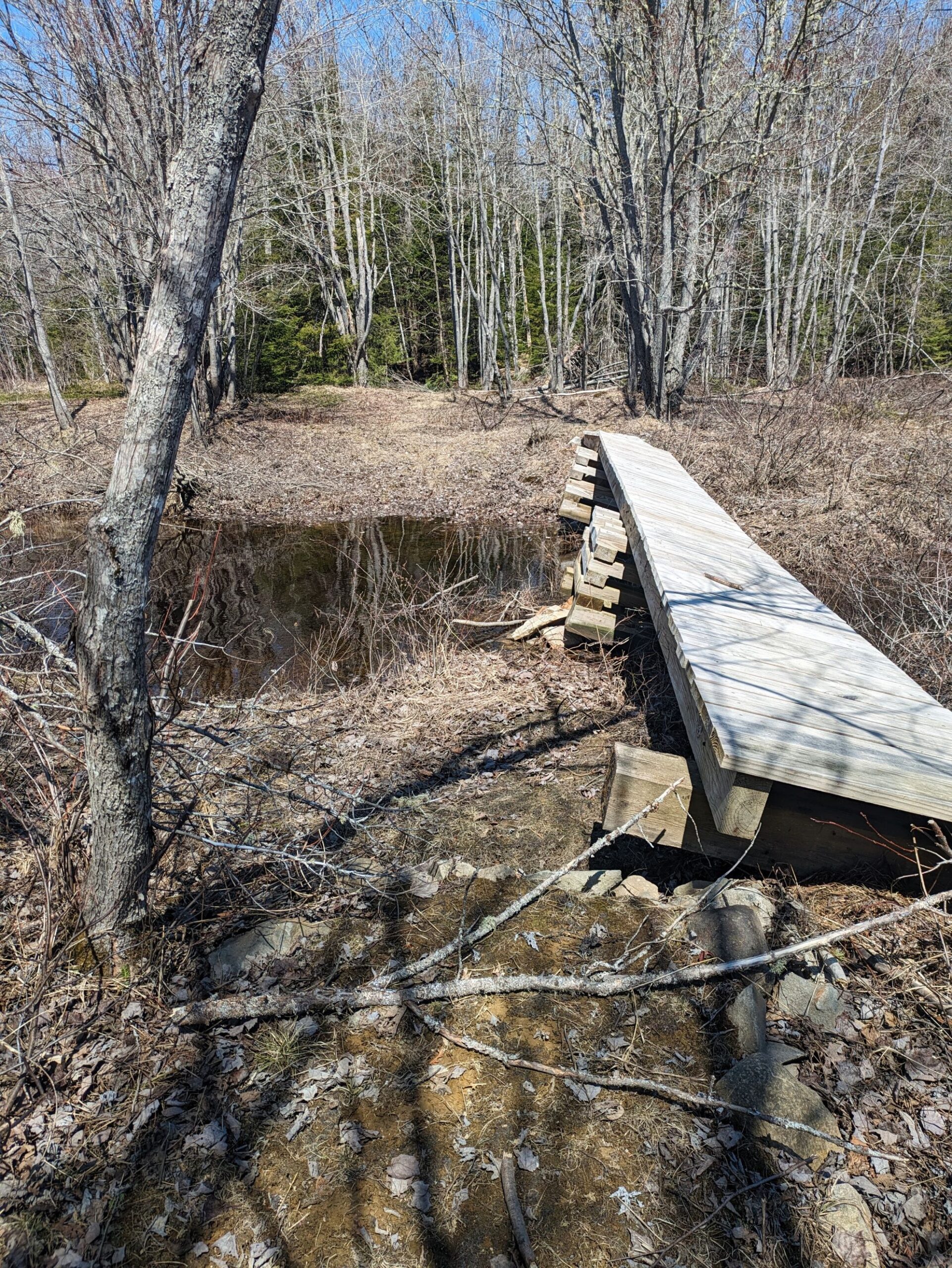
The bridges and outlying trails between West Forks and Big Eddy are in rough shape. Harsh rainstorms and flooding have eroded the shoreline and abutments along the Dead River. Repairing and replacing the bridges will require smart engineering and thoughtful planning. The changing shoreline and consideration of future storms will require a different approach than previous generations.
The Future
Fundraising to purchase a full set of new lithium ion batteries is ongoing. Once the batteries are replaced, we will be able to fire up the solar energy system, run well water and the composting toilet system.
We completed a detailed assessment of the Maine Hut Trail from Flagstaff Lake Hut to the Trailhead at RT 201 in West Forks. This assessment documents the condition of 172 culverts, 70 signage locations, 34 pedestrian bridges and other potential trail upgrades. The work was conducted in partnership with the Outdoor Sports Institute and Colby Company Engineering, and was funded by a 2024 Community Outdoor Recreation Assistance grant from Maine’s Office of Tourism at the Department of Economic and Community Development. The resulting trail plan recommends the best alternatives for repairing and upgrading the trail and bridges to make them resilient to future weather and improve the overall trail experience. We will expand our partnerships to help implement this plan, and it will serve as the basis for pursuing public and private funding opportunities, including the Maine Trails Program, over the remainder of 2025, 2026 and beyond. We are excited about the opportunity to restore this extraordinary trail corridor connecting the communities of West Forks and Carrabassett Valley.